

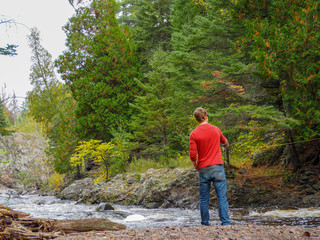
Duluth isn’t a place you visit for one hike—it’s a place you settle into and explore day after day. With trailheads woven into the city, rugged terrain shaped by Lake Superior, and landscapes that change dramatically with the seasons, Duluth works as a true hiking basecamp.
For Trailside hikers who value variety, flexibility, and immersive trail time, Duluth offers something rare in the Midwest: depth without distance.
A City Where Trails Begin at the Doorstep
One of Duluth’s greatest strengths is how accessible its hiking trails are. You don’t need long drives or complicated logistics to get moving—many of the city’s best hikes begin right in town.
This makes it easy to:
- Start early without commuting
- Fit hikes into short weather windows
- Stack multiple hikes in a single day
For hikers, this means more time on the trail and less time planning around it.
Diverse Terrain for Every Type of Hike
Duluth’s hiking landscape is shaped by elevation, water, and forest. Within a small radius, you’ll encounter steep climbs, rocky ridgelines, flowing creeks, and quiet wooded paths.
Notable Hiking Areas in and Around Duluth
- Lester–Amity Trail System – waterfalls, bridges, and rolling forest terrain
- Chester Park – short, steep climbs ideal for quick efforts
- Hawk Ridge – ridgeline hikes with sweeping lake views
- Ely’s Peak – rugged terrain and exposed rock with big payoff views
This variety allows hikers to choose intensity based on energy, weather, and time.
Built for Multi-Day Hiking Trips
Duluth excels as a multi-day hiking destination because it offers options, not just highlights.
Why Hikers Stay Longer
- Trails of varying length and difficulty
- Easy access to food and rest between hikes
- Enough terrain diversity to avoid repetition
Instead of rushing to check off one major hike, you explore at a natural pace.
Seasonal Hiking That Feels Different Every Time
Duluth’s trails transform throughout the year, making repeat visits feel fresh.
What Each Season Brings
- Spring: flowing waterfalls and saturated forests
- Summer: shaded trails and lake-cooled air
- Fall: crisp conditions and dramatic foliage
- Winter: quiet, snow-covered routes and frozen features
For Trailside hikers, this makes Duluth a place worth returning to again and again.
Recovery and Refuel Matter After the Trail
A strong hiking basecamp isn’t just about trails—it’s about what happens after.
Duluth supports recovery with:
- Cafés and bakeries near trail systems
- Restaurants suited for post-hike meals
- Sauna culture and wellness options
- Lakefront paths ideal for active recovery walks
This balance keeps hiking sustainable over multiple days.
A Hiking Culture That Feels Authentic
Duluth attracts people who genuinely spend time outdoors. You’ll find:
- Locals using trails year-round
- Well-maintained paths shaped by real use
- A community that understands weather and terrain
This creates a hiking environment that feels grounded and welcoming rather than curated for tourists.
Why Duluth Works as a Hiking Basecamp
Duluth succeeds because it removes friction:
- Short distances between hikes
- Clear trail systems
- Reliable amenities nearby
This allows hikers to focus on what matters—movement, terrain, and experience.
Who Duluth Is Best For
Duluth is ideal for hikers who:
- Prefer variety over single landmark hikes
- Value flexible, weather-responsive planning
- Enjoy blending effort with recovery
- Want to explore deeply from one place
It’s less about conquering trails and more about understanding them.
The Trailside Takeaway
Duluth isn’t a stop along the way—it’s a place to settle in, lace up, and explore slowly. With dense trail networks, changing terrain, and strong recovery options, it stands out as one of the Midwest’s best hiking basecamps.
For Trailside hikers, Duluth offers the space, structure, and rhythm needed to turn a trip into a true adventure.
